The Complete Guide to Crochet Cacti: Techniques, Stitches, and Creating Your Own Succulent Display
If you have ever admired the sculptural beauty of desert plants but lacked the sunny windowsill or consistent watering schedule they demand, a crochet cactus might be the perfect creative solution. The Crochet Cacti Book offers an extensive collection of patterns that blend artistry with technique, allowing you to craft a lasting, low-maintenance succulent display that never fades, never wilts, and always delights. Whether you are picking up a hook for the first time or you have been stitching for years, these patterns open a world of texture, shape, and color that brings the desert indoors.
Why Crochet Cacti? The Appeal of a Perpetual Bloom
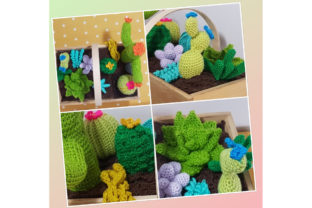
Crochet cacti have surged in popularity for good reason. They capture the clean, architectural lines of real succulents while offering something the living plants cannot: complete creative control. You can choose any yarn color, any pot, any size, and any level of detail. A crochet cactus can be a playful pastel amigurumi for a child's room, an earthy terracotta-toned cluster for a bookshelf, or a statement centerpiece for a living room console. The patterns in the Crochet Cacti Book are designed to look authentic while being endlessly customizable, which makes them a favorite among crafters who want to bring a bit of nature into their home without the maintenance.
Beyond decoration, making a crochet cactus display is a mindful, satisfying activity. Each stitch builds rhythm and focus, and the gradual emergence of a three-dimensional form from a simple strand of yarn feels almost like magic. The finished piece becomes a tangible reminder of your patience and skill—a conversation starter that also serves as a gentle nod to the beauty of the natural world.
What Makes the Crochet Cacti Book Patterns Special?
The Crochet Cacti Book is not just a collection of patterns; it is a structured learning journey disguised as a fun project. The book takes a thoughtful approach: each cactus introduces a different stitch or technique, so you build new skills as you progress. This progressive design means that even if you have never made an amigurumi before, you can start with the simplest cactus and gradually work your way toward more complex designs. For experienced crocheters, the variety keeps the project fresh and engaging, offering new ways to create texture and shape.
Each Cactus Teaches a Different Stitch
One of the most compelling features of the book is how each pattern focuses on a distinct stitch or technique. A barrel cactus might use single crochet in the back loop only to create those distinctive vertical ribs. A saguaro could combine half-double crochet and chain spaces to evoke the pleated, branching structure of the real plant. A bunny ear cactus might introduce increases and decreases in a new way to form those rounded, lop-eared pads. Every variation offers a subtle or dramatic change in texture, helping you understand how different stitches affect the look and feel of your work.
Here is a glimpse of what you might encounter as you work through the patterns:
- Single Crochet (sc): The foundation stitch for most cacti, dense and sturdy, perfect for creating firm shapes.
- Back Loop Only (BLO): Creates raised ridges that mimic natural cactus ribs.
- Half-Double Crochet (hdc): Adds a softer, slightly taller stitch that works beautifully for rounded pads.
- Double Crochet (dc): Useful for taller components like flower stems or elongated shapes.
- Chain Spaces (ch-sp): Opens up the fabric, creating decorative holes or separations between segments.
- Increases and Decreases: Shaping techniques that give cacti their characteristic curves, bulges, and tapers.
- Color Changes: Essential for adding blossoms, stripes, or gradients that make each cactus unique.
This stitch-by-stitch approach means that by the time you finish the book, you will have a solid command of multiple techniques—and a gorgeous display to show for it.
How to Build Your Crochet Cacti Display: A Step-by-Step Overview
Creating a cohesive cacti display involves more than just stitching individual plants. The Crochet Cacti Book guides you through the entire process, from selecting yarns and hooks to assembling a composition that feels natural and balanced. Below is an overview of the journey, which the book supports with clear images and instructions for every new technique.
1. Gather Your Materials
You will need a few basics to get started: a set of crochet hooks (sizes 2.5 mm to 4.0 mm work well for most patterns), worsted-weight or DK yarn in greens, browns, and accent colors, polyester fiberfill for stuffing, a tapestry needle for sewing pieces together, and a small pair of scissors. The book recommends specific yarns and hook sizes for each pattern, but you can always substitute based on what you have on hand. For the pots, you can crochet simple container shapes or use small terracotta pots, teacups, or jars—whatever fits your aesthetic.
2. Start with the Simplest Cactus
The book typically begins with a basic round or oval cactus that uses only single crochet and simple increases. This pattern helps you practice the rhythm of working in the round, stuffing firmly, and closing a shape neatly. You will learn how to read stitch counts and how to shape a sphere or cylinder—skills that apply directly to every subsequent pattern.
3. Explore Intermediate Stitches and Shapes
Once you feel comfortable with the basics, you can move on to patterns that introduce half-double crochet, back loop only stitches, and more complex shaping. For example, a saguaro pattern might teach you how to create branching arms by working separate tubes and joining them seamlessly. A barrel cactus will ask you to work BLO stitches in a spiral to create ribs, then add a crochet flower on top.
4. Add Details: Flowers, Spines, and Pots
The magic of a crochet cactus display lies in the details. The book includes patterns for blossoms (often using puff stitches or popcorn stitches for a flower-like texture), tiny spines (made with surface slip stitches or small chains), and decorative pots. You might learn how to crochet a textured pot using moss stitch or how to embroider simple lines that mimic the markings on a real succulent pot. Each detail adds realism and personality.
5. Assemble Your Display
After you have made several cacti in different sizes and shapes, the book offers guidance on arranging them. Grouping a tall saguaro with a round barrel cactus and a pair of bunny ear cacti creates a visually interesting cluster. You can place them in a single tray, on a shelf, or in a series of small pots. The key is to vary heights, textures, and colors to mimic the natural variety you would find in a desert landscape.
The Deeper Value: Learning Stitches While Making Art
One of the most rewarding aspects of the Crochet Cacti Book is how it transforms skill-building into a creative project. Rather than practicing stitches on monotonous swatches, you are building something you genuinely want to display. This makes it easier to stay motivated and push through unfamiliar techniques. The included images are especially helpful here—each new stitch or joining method is shown step by step, so you can compare your work to the photos and adjust as needed.
Clarifying Common Misunderstandings
Many beginners worry that amigurumi—the Japanese art of crocheting small, stuffed creatures and plants—requires perfect tension or that any mistake will ruin the project. In reality, crochet cacti are forgiving. Because cacti naturally have irregular shapes, slight variations in tension or stitch size often add to the organic look. If you accidentally skip a stitch or end up with a lumpy side, you can often disguise it as a natural bump or reshape it with a bit of extra stuffing. The book addresses these concerns directly, encouraging you to embrace imperfection as part of the handmade charm.
Practical Relevance in Modern Life
In a world filled with disposable decor, a handmade crochet cactus display stands out as something personal and sustainable. It uses natural fibers, creates zero waste, and lasts indefinitely. It also serves as a mindful activity away from screens—a way to decompress while making something tangible. For parents, educators, and therapists, these patterns offer a productive outlet for creativity and fine motor skill development. For home decor enthusiasts, they provide a unique, custom element that no store-bought item can replicate.
Tips for Success with Crochet Cacti Patterns
Whether you are a beginner or an experienced crocheter, a few strategies will help you get the most out of the Crochet Cacti Book:
- Read the entire pattern first. Some techniques build on earlier steps, and knowing the full picture helps you avoid surprises.
- Use stitch markers. When working in the round, a marker at the beginning of each round keeps your count accurate and your shape even.
- Stuff firmly but evenly. Crochet cacti hold their shape best when stuffed densely. Use small bits of fiberfill at a time to avoid lumps.
- Practice new stitches on a scrap swatch. If a pattern calls for a stitch you have never tried, work a small square before beginning the cactus.
- Embrace the photos. The step-by-step images are there to help you visualize tricky joins or stitch placements. Use them freely.
- Mix and match. Once you understand the techniques, you can combine stitches from different patterns to invent your own cactus designs.
Conclusion: Why Crochet Cacti Deserve a Place in Your Craft Life
The Crochet Cacti Book is more than a pattern collection—it is an invitation to explore texture, shape, and color in a way that is both educational and deeply satisfying. Whether you are drawn to the clean lines of a saguaro, the playful silhouette of a prickly pear, or the sculptural weight of a barrel cactus, each project teaches you something new while producing a beautiful, lasting object. By the time you have completed your display, you will have expanded your stitch vocabulary, refined your shaping skills, and created a piece of art that reflects your own creative voice.
So pick up your hook, choose a skein of yarn that reminds you of the desert sun, and let the patterns guide you. Your own personal oasis is just a few stitches away—and it will never need watering.