Evaluating the Kokopelli Cross Stitch Ornament Pattern: Design, Format, and Practical Fit
When you begin researching cross stitch ornament patterns, the sheer variety of styles, skill levels, and formats can quickly become overwhelming. You might be looking for a project that is both culturally distinct and technically manageable. The Kokopelli Cross Stitch Ornament Pattern frequently surfaces in these searches, and for good reason. This article provides a structured evaluation of this pattern, focusing on its design philosophy, the practical implications of its format, and the tradeoffs you should consider before making a purchase. Our aim is to help you determine whether this pattern aligns with your specific project goals, stitching style, and experience level.
The Distinctive Nature of the Kokopelli Pattern
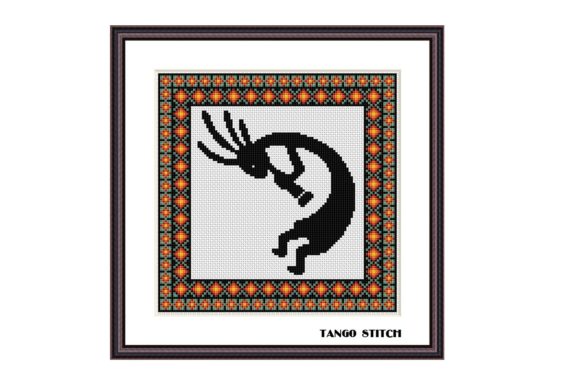
The Kokopelli figure, a humpbacked flute player rooted in Southwestern Native American iconography, translates into cross stitch with a bold, flowing silhouette. The pattern captures this cultural symbol in a way that is both recognizable and stylized. What truly sets this particular pattern apart, however, is not just its subject matter, but its deliberate construction constraints.
The most significant distinction of the Kokopelli Cross Stitch Ornament Pattern is its exclusive use of full cross stitches. There are no fractional stitches (1/4, 3/4) and no backstitching required. This immediately places it in a specific category of cross stitch design that prioritizes simplicity and uniform texture. For the adult stitcher comparing options, this is the first major decision point: do you want the graphic, pixelated look of a full-stitch-only design, or do you prefer the smoother curves that fractional stitches allow?
Furthermore, the content of Kokopelli cross stitch ornament pattern is packaged as a comprehensive PDF. You receive a main page showing the finished embroidery image, a clear thread key, two pages with combined color and symbol patterns, and then four pages of color symbols pattern and four pages of black symbols pattern for comfortable work. This redundancy in chart formatting is a practical feature worth examining closely.
The Full Stitch Commitment: A Core Tradeoff
Let's look directly at the strengths and tradeoffs of a full-stitch-only ornament pattern. For many stitchers, the absence of fractional stitches is a significant advantage. Full stitches are faster to execute, they create a very durable surface that holds up well to the handling an ornament receives, and they are far simpler to count, especially on higher-count fabrics like 18-count Aida.
- Strength in Simplicity: A beginner can approach this pattern with confidence, knowing they only need to master a single stitch type. The risk of misplacing a 3/4 stitch or misreading a complex symbol is eliminated.
- Strength in Speed: If you are planning to make multiple ornaments for gifts or a themed collection, the speed of stitching only full crosses is a practical advantage. You can complete a high-quality piece in a fraction of the time it might take for a pattern with heavy fractional work.
- Tradeoff in Shading and Curves: The primary limitation is a stylistic one. The Kokopelli flute and dancer will have a stepped, pixelated edge. This is not a flaw in the pattern; it is a deliberate aesthetic choice. However, if you are comparing this to a pattern that uses fractional stitches to create smooth curves and subtle shading, you are comparing two different artistic goals. The Kokopelli pattern is graphic and modern, while a fractional pattern might aim for realism or softness.
The Format Advantage: PDF Structure and User Control
When evaluating resources, the format of the pattern is just as important as the design itself. The PDF package for the Kokopelli Cross Stitch Ornament Pattern offers notable flexibility, but it also places some responsibility on you, the stitcher.
The benefit of the multi-page format is customization. The inclusion of both a color symbols pattern and a black symbols pattern (each spanning 4 pages) allows you to choose the chart that works best for your eyes and your lighting. Color charts are excellent for quick thread identification, while black-and-white symbol charts are often easier on the eyes for extended counting sessions. You can print only the pages you need, or you can work directly from a tablet, zooming in on each section. This is a clear advantage over a single fold-out chart that can be cumbersome to manage for a small ornament project.
The tradeoff is material sourcing. Unlike a complete kit, this pattern provides a key (typically DMC floss numbers) but expects you to acquire the fabric and threads yourself. This requires an upfront investment of time to gather materials. For the experienced stitcher with a stash of floss, this is often preferable. For the absolute beginner, it can be a barrier. When weighing alternatives, consider whether you value the control of choosing your own fabric and threads, or if you prefer the convenience of an all-in-one kit.
Strengths, Tradeoffs, and Situational Fit
To make an informed decision, it helps to map the pattern's characteristics to your specific situation. Here is a breakdown of when this pattern is a strong fit and when an alternative might serve you better.
Ideal Use Cases for the Kokopelli Pattern
- The Independent Beginner: If you are an adult teaching yourself to stitch, this pattern is an excellent resource. The clear chart design and the absence of complex stitches allow you to focus on tension and consistency without the frustration of intricate fractional work.
- The Expert Seeking a Relaxing Project: Many advanced stitchers use patterns like this as a "palate cleanser" between massive, detail-heavy projects. The repetitive rhythm of full crosses can be meditative and provide a quick sense of accomplishment.
- The Themed Gift Maker: If the recipient has a connection to Southwestern art, music, or Native American heritage, this design carries specific meaning that a generic snowflake or star ornament cannot match. The strong visual identity of Kokopelli makes it a memorable and personal gift.
- The Production Stitcher: For those creating ornaments for a craft fair or a large family gathering, the simplicity and speed of this pattern are invaluable. You can produce a consistent, professional-looking set of ornaments with relative efficiency.
Limitations and When to Explore Other Options
- If You Prioritize Photorealism: If your goal is an ornament that looks like a miniature painting, a full-stitch pattern will likely not satisfy you. You would be better served looking for a pattern that explicitly uses fractional stitches and extensive shading.
- If You Dislike Chart Management: The 4-page color symbols pattern and 4-page black symbols pattern are practical, but they require either printing and taping or working from a screen. If you find managing multiple chart pages tedious, a single-page pattern or a complete kit with a fold-out chart might be a better fit.
- If You Prefer a Complete Kit: As mentioned, this pattern is a PDF resource, not a kit. You must source your own 14- or 18-count Aida and the specific DMC flosses. If the shopping phase feels like a barrier to starting your craft, an all-inclusive kit from a similar category would remove that friction.
- If the Symbol Chart Density is Too High: Depending on the number of colors used, a full-stitch pattern can still have a very dense symbol chart. The "easy" label applies to the stitching technique, not necessarily the chart reading. If you struggle with differentiating similar symbols (e.g., squares vs. diamonds), review a sample of the black symbols pattern before purchasing.
Decision-Making Factors: Evaluating Your Needs
Before you add the Kokopelli Cross Stitch Ornament Pattern to your cart, take a moment to evaluate the project from a broader perspective. The best pattern for you is the one that aligns with your skill, your timeline, and your aesthetic preferences.
- Skill Level: The pattern is suitable for both beginners and experts, but for different reasons. Beginners get a forgiving learning tool. Experts get an efficient, stylized project. If you are an intermediate stitcher looking to challenge yourself with new techniques (like French knots or beading), this pattern is not designed to provide that.
- Project Purpose: What is the ornament for? A personal meditation project? A gift for a music lover? If the cultural significance of the Kokopelli figure resonates with you, that intrinsic motivation will carry you through the project. If you simply want a "quick stitch," the format will serve you well, but the design choice might feel arbitrary.
- Time Investment: Be realistic about your available time. A full-stitch ornament on 18-count fabric can still take several hours to complete. It is faster than a comparable fractional stitch pattern, but it is not a "5-minute craft." The speed advantage is relative to other cross stitch patterns, not other crafts.
- Resource Availability: Do you have a local craft store where you can buy DMC floss, or do you prefer ordering online? Are you comfortable reading a PDF on a screen, or do you need a printed chart? The pattern gives you the freedom to choose your materials, but that freedom comes with the responsibility of sourcing them.
Making Your Choice
The Kokopelli Cross Stitch Ornament Pattern occupies a specific and valuable niche in the world of cross stitch design. It is not a pattern for everyone, but for the right stitcher, it offers a compelling combination of cultural aesthetic, technical simplicity, and format flexibility. The exclusive use of full stitches is its defining characteristic, giving it a bold, graphic look while making it highly accessible to a wide range of skill levels. The well-organized PDF content—with its multiple chart pages and clear key—shows a design philosophy that values user comfort and practicality.
When you weigh this against other ornament patterns, the decision comes down to a few key questions: Do you want a stylized or realistic look? Do you value speed and simplicity, or do you want to explore advanced stitching techniques? Are you comfortable sourcing your own materials? By honestly answering these questions, you can decide if the Kokopelli pattern is the right resource for your next stitching project. It is a strong, well-considered option that deserves serious consideration from anyone drawn to its unique subject matter and clean design.