Fractal Cross Stitch Pattern – Red: A Practical Review for Serious Stitchers
Downloadable cross stitch patterns have shifted the needle in the crafting world, offering instant gratification alongside complex, highly structured designs. The Fractal Cross Stitch Pattern – Red, also designated Pattern 4110, stands out as a robust offering for stitchers who appreciate mathematical precision, thorough planning tools, and a focused color palette. This is not a casual pattern thrown together; it is a 280 x 280 stitch project that demands attention to detail but rewards the stitcher with a striking, symmetrical result. This review evaluates the pattern from a practical standpoint, analyzing its design specifications, usability features, and long-term value for the modern needlework enthusiast.
Defining the Design: Geometry, Scale, and the Red Palette
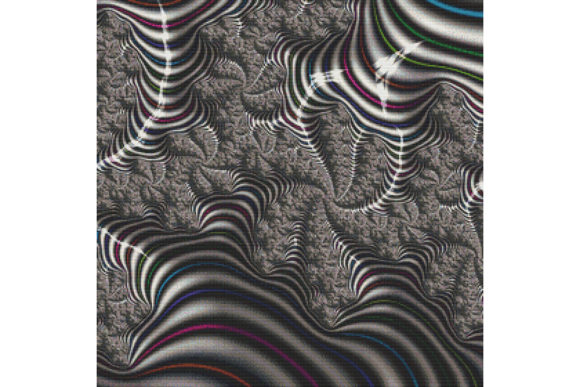
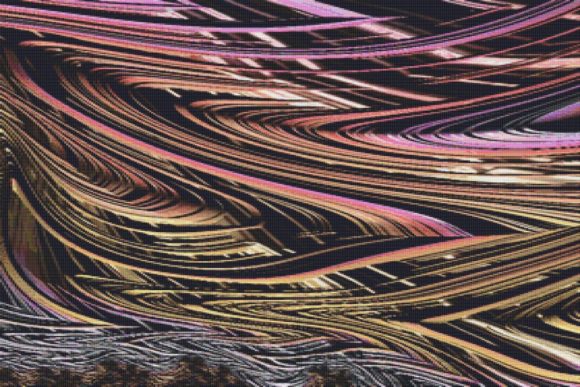
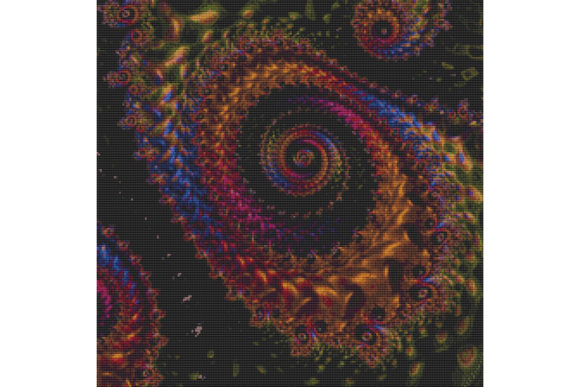
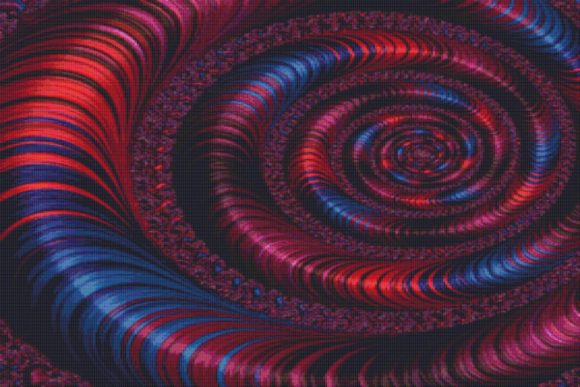
At its core, a fractal pattern relies on self-similarity and repeating geometric shapes. Translating this to cross stitch requires a meticulous grid. The Fractal Cross Stitch Pattern – Red achieves this with a stitch count of 280 x 280, creating a substantial square canvas. The design uses 60 or fewer DMC floss colors, which is a significant advantage. It provides enough depth and gradation to give the fractal a three-dimensional, layered quality without requiring the overwhelming thread investment of a 100-color portrait or landscape.
The "Red" variant implies a cohesive monochromatic or restricted palette based on reds, crimsons, pinks, and supporting neutral tones. This focus streamlines the stitching process. You are not constantly switching between wildly different color families; instead, you can establish a rhythm that aligns with the logical repetition of the fractal geometry. The finished size depends entirely on your fabric choice, ranging from 20 inches x 20 inches on 14 count to 15.5 inches x 15.5 inches on 18 count. This flexibility makes it adaptable for everything from a large statement wall piece to a more compact framed work.
Key Technical Specifications:- Stitch Count: 280 x 280
- Floss Colors: 60 or fewer (DMC coded)
- Format: Instant Download PDF
- Included Media: Full color picture for reference + Black & White chart
- Bonus Material: Project Planning Worksheet & Fabric Preparation Tips
The Strategic Value of the Planning Worksheet
One of the strongest arguments for purchasing the Fractal Cross Stitch Pattern – Red is the inclusion of a Project Planning Worksheet. In professional project management, scope creep and resource misallocation are primary failure points. The same applies to cross stitch. A 280 x 280 design is a significant time and material investment. The worksheet walks you through finding the perfect fabric size for any count, which is an often-overlooked feature in downloadable patterns.
For example, if you intend to frame the final piece in a 16-inch hoop, you need to calculate not just the stitched area but the required margin for stretching and finishing. The worksheet eliminates guesswork. It helps you determine exact fabric dimensions for 14, 16, 18, 25, 28, and 32 count fabrics. This is particularly valuable for entrepreneurs or small business owners who sell finished pieces. Accurate fabric planning reduces waste and ensures that the final product meets client specifications for size.
The pattern also includes tips for preparing your fabric for your project. Preparing the edges of your fabric to prevent fraying, finding the center point, and even gridding techniques are often neglected in basic digital downloads. Having these integrated directly into the pattern bundle saves the stitcher from having to search for separate tutorials. For educators or workshop leaders using this pattern in a class setting, the worksheet acts as an excellent teaching tool for project estimation.
Readability and Workflow: Black & White Meets Digital Precision
A common pain point in large cross stitch patterns is chart readability. A color-only chart printed on a standard home printer can become a blur of indistinguishable shades. The Fractal Cross Stitch Pattern – Red solves this by providing an easy-to-read black & white format alongside a full color picture of the design for reference.
The black & white chart uses clear, distinct symbols. This is superior for tracking your place, especially when working with 60 colors that might look similar in a digital thumbnail. The design philosophy here is practical: you use the color picture to understand the overall landscape and verify your color choices, and you use the black & white chart for the actual stitching workflow. The pattern is formatted so that there is no need to enlarge patterns in most cases. The 280x280 grid is split logically across standard A4/letter pages, making it manageable without a trip to the copy shop. For stitchers who prefer a digital workflow, loading the PDF onto a tablet allows for effortless zooming and electronic markup, which significantly extends the pattern's usability.
Who Benefits Most from This Pattern?
While any stitcher could enjoy this design, it aligns best with specific user profiles and goals. Its strengths in planning, logical repetition, and geometric focus lend themselves to particular audiences.
- The System-Oriented Stitcher (Professionals & Engineers): If you approach cross stitch as an extension of your analytical work—valuing precision, repeatable processes, and clear documentation—this pattern will fit your workflow perfectly. The logical nature of the fractal reduces decision fatigue and allows for steady, meditative progress.
- The Content Creator or Small Business Owner: The 20-inch x 20-inch finished size on 14 count makes for an impressive piece of wall art that photographs well. The "Red" theme is visually compelling and marketable. The included planning resources allow you to reliably quote prices and timelines for commission work based on fabric count.
- The Serious Hobbyist Seeking a Sustained Project: Stitchers looking for a project that lasts weeks or months without becoming tedious will find the 280 x 280 stitch count ideal. The 60-color palette provides enough complexity to keep the brain engaged, while the repeating patterns of the fractal allow for rapid stitching once a segment is learned.
- Educators and Workshop Facilitators: The combination of a full color reference, black & white chart, and planning worksheet makes this an excellent curriculum piece for teaching intermediate stitching techniques, fabric calculation, and project finishing.
Potential Limitations and Practical Considerations
No pattern is universally perfect, and the Fractal Cross Stitch Pattern – Red has specific characteristics that may not suit every stitcher. First, the aesthetic is unapologetically geometric and digital. If your taste leans towards whimsical folk art, realistic photographic portraits, or lush florals, the rigid symmetry of a fractal may feel cold or repetitive. The "Red" colorway is specific. While deep and rich, it lacks the broad appeal of a multicolor palette. Stitchers who prefer variety in every row may find the restricted hues less engaging over a long project.
From a technical standpoint, the pattern relies on an instant download PDF. While this is a strength for immediacy, it requires the user to have access to a reliable printer or a tablet for stitching. Printing a 280 x 280 chart at home uses a fair amount of ink, especially if you choose to print the full-color reference page. The pattern is also large. Starting a 20-inch project requires physical space for fabric handling. If you primarily stitch on the go or in tight quarters, the sheer fabric volume might be cumbersome before the design is fully rolled or scrolled.
Finally, the claim of "60 or fewer colors" is accurate, but it is worth confirming that you either own these DMC codes or are prepared to purchase them. While 60 is reasonable for this size, it is not a low-color-count design. Budgeting for the complete thread palette is a necessary step before starting.
Quality Assessment and Long-Term Value
The reliability of a digital pattern hinges entirely on its preparation. A poorly formatted PDF with missing grid lines, incorrect symbol keys, or low-resolution images is a professional liability. The Fractal Cross Stitch Pattern – Red appears to be prepared with a high degree of care. The inclusion of a full color picture and a separate black & white symbol chart indicates a developer who understands the end-user’s environment. The grid is crisp, and the symbols are distinct enough to prevent confusion between similar colors.
As an evergreen digital asset, its value is high. You can stitch it once on 14 count for a large piece, and years later stitch it again on 28 count over-two for a completely different scale and finish. The Project Planning Worksheet is not a one-time use item; it is a reusable resource for any future cross stitch project you undertake. This extends the utility of the purchase far beyond the single fractal design. The pattern respects your time by providing the necessary tools to execute the project correctly the first time, which is the hallmark of a quality resource in the needlework industry.
Final Evaluation: Fit and Functionality
The Fractal Cross Stitch Pattern – Red is a well-constructed, thoughtfully supported digital pattern that prioritizes planning and precision. It bridges the gap between a strictly artistic endeavor and a methodical craft project. The immediate access provided by the Instant Download PDF, coupled with the practical guidance of the fabric planning worksheet, creates a user experience that is both professional and accessible.
I would confidently recommend this pattern to the stitcher who values structure, enjoys geometric design, and appreciates having all their logistical ducks in a row before threading a needle. It is less suited for the casual stitcher who prefers intuitive, freeform designs or extremely small, quick projects. For the serious hobbyist, the designer, the educator, or the professional creative looking for a reliable, repeatable, and visually striking pattern, the Fractal Cross Stitch Pattern – Red offers substantial value, clear instruction, and the deep satisfaction of building a complex geometric piece from a simple grid.