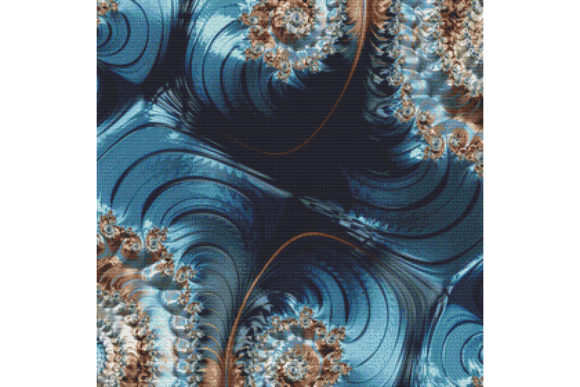
Fractal Cross Stitch Pattern - Blue: A Stitcher’s Digital Companion
Some cross stitch projects feel like a chore. Others pull you in from the first stitch. The Fractal Cross Stitch Pattern - Blue (also referenced as Cross Stitch Pattern 4764) belongs firmly in the second camp. It offers a striking geometric design that rewards both careful planning and creative freedom. Whether you are stitching for yourself, designing for a client, or teaching a class, this pattern provides a solid foundation without the usual guesswork.
What makes this pattern stand out is how it balances complexity with accessibility. The design is built around a 280 x 280 stitch grid, which means you get a substantial piece that can serve as a focal point in any room. Yet the supporting materials—the fabric planning worksheet, the color reference photo, and the clear black‑and‑white chart—remove the friction that often slows down large projects. You can go from download to first stitch in minutes, not hours.
What Makes This Pattern Useful
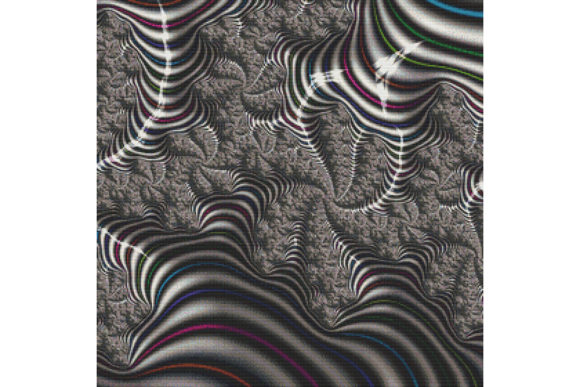
The Fractal Cross Stitch Pattern - Blue is more than a grid of symbols. It is a complete package that anticipates the questions stitchers ask before they even pick up a needle. The instant download PDF includes a full‑color picture of the finished design, which serves as both inspiration and a reality check. You see exactly how the blues will layer and interact before you commit thread to fabric.
One of the most practical elements is the fabric planning worksheet. This walks you step by step through finding the perfect fabric size for any count. Instead of guessing or doing math on a scrap of paper, you follow a structured process that accounts for your fabric count, design dimensions, and desired margins. The worksheet is especially valuable if you work with multiple fabric counts or if you are stitching for a specific frame or hoop size.
Another thoughtful inclusion is the set of tips for preparing your fabric. Small details—like how to fray‑check edges or how to find the center of your fabric—can make or break a project. These tips are written in plain language and assume you have some experience, but they do not skip the fundamentals. They are the kind of advice an experienced stitcher would share with a friend.
Key Characteristics and Strengths
Let’s look at what defines this pattern and why it works well for a range of stitchers.
Instant Download PDF
No waiting for shipping. No lost envelopes. Once you purchase Cross Stitch Pattern 4764, you receive a PDF that you can open on any device. Print it, view it on a tablet, or keep it on your phone for quick reference. This is especially useful if you stitch in multiple locations or if you prefer to mark up a digital copy rather than a physical one.
Full‑Color Reference Image
The included color picture is not a generic mockup. It shows the actual design with the recommended DMC floss colors. You can compare your progress against the reference to catch mistakes early. For complex fractal patterns, this visual anchor is invaluable. You see how the repeating elements build into the larger composition, which helps you understand the logic of the pattern rather than just following symbols blindly.
Fabric Planning Worksheet
This is the feature that saves time and reduces waste. The worksheet asks you to input your fabric count and then calculates the required fabric size, including your preferred border. It also lets you experiment with different fabric counts before you cut. Want to see how the design looks on 14‑count versus 18‑count? The worksheet handles the numbers so you can focus on the creative decision.
Easy‑to‑Read Black and White Format
Many stitchers prefer black‑and‑white charts because they are easier to read under direct light or when using a magnifier. The Fractal Cross Stitch Pattern - Blue chart uses clear symbols with good contrast. There is no need to enlarge the pattern in most cases, even for the 280 x 280 grid. If you do need a larger view, the PDF scales cleanly without losing detail.
Stitch Count and Finished Sizes
The design measures 280 x 280 stitches. The finished size depends entirely on your fabric choice. Here are the approximate sizes for popular fabric counts:
- 14‑count or 28‑count: 20 inches x 20 inches
- 16‑count or 32‑count: 17.5 inches x 17.5 inches
- 18‑count: 15.5 inches x 15.5 inches
These sizes are approximate because every stitcher’s tension and fabric preparation vary slightly. The project planning worksheet helps you determine your exact fabric requirements, so you are not left guessing. This is especially important if you plan to frame the piece or fit it into a specific space.
60 or Fewer DMC Floss Colors
Using 60 or fewer colors keeps the palette manageable without sacrificing depth. Fractal designs often risk overwhelming the stitcher with dozens of similar shades. This pattern avoids that trap. The blues range from pale sky tones to deep navy, creating a natural gradient that gives the fractal structure its energy. You can purchase the floss all at once or pull from your stash. The limited palette also makes it easier to substitute brands if you prefer a different thread line.
Practical Applications Across Different Settings
The Fractal Cross Stitch Pattern - Blue works well in several contexts. Here are a few that stand out.
Personal Projects and Home Decor
The most obvious use is as a statement piece for your home. A 20‑inch square on 14‑count fabric makes a bold wall hanging or a dramatic pillow front. The fractal design fits modern, minimalist, and eclectic interiors because the blue palette is both calming and striking. If you prefer a smaller piece, stitching on 18‑count fabric gives you a 15.5‑inch square that works well in a gallery wall or a cozy reading nook.
Gifts and Commissions
Because the pattern is unique and the finished piece is large enough to feel substantial, it makes an excellent gift for someone who appreciates geometric art or fractal imagery. You can also stitch it on commission for clients who want custom wall art. The fabric planning worksheet helps you nail down the exact size, so you can quote accurately and deliver a piece that fits the intended space.
Teaching and Workshops
If you teach cross stitch, this pattern is a good candidate for an intermediate or advanced class. The fractal structure introduces concepts like counting over long distances, managing multiple thread colors, and maintaining consistent tension across a large area. The included worksheet and tips give students a structured way to plan their own projects, which builds confidence and reduces mistakes. You can also use the pattern as a case study for discussing fabric count, margin calculations, and finishing techniques.
Digital and Content Creation
Bloggers, social media creators, and YouTube stitchers can use this pattern as content. Stitch‑along videos, progress updates, and finishing tutorials all benefit from a design that is visually interesting at every stage. The fractal pattern offers frequent milestones—each section completed is a small victory that can be shared. The full‑color reference image makes it easy to show your audience what the final piece will look like, which helps with viewer engagement and planning.
Commercial and Craft Business Use
If you run a small craft business, you can stitch this pattern as a sample for your shop or as a custom order. The clear chart and planning tools reduce the time you spend on pre‑stitch prep, which means you can focus on production. The pattern’s professional look also works well for craft fairs, online marketplaces, or local boutique displays. Because the design is fractal, it appeals to customers who appreciate math‑inspired art, geometry, or contemporary craft.
Usability, Efficiency, and the Stitcher Experience
What makes this pattern efficient is that it consolidates all the planning tools into one download. You do not need to search for separate calculators, margin guides, or color conversion charts. Everything is in the PDF, written in a straightforward tone. The tips for preparing your fabric are practical—they cover how to wash and press your fabric, how to find the center, and how to secure the edges. These are the small steps that prevent frustration later.
The black‑and‑white chart is easy to read under a craft light or with a magnifier. The symbols are distinct enough that you can work for long stretches without eye strain. And because the pattern uses 60 or fewer colors, you can organize your floss on a single project card or thread box. This keeps your workspace tidy and reduces the time spent switching between colors.
Another efficiency gain comes from the project planning worksheet. Instead of calculating fabric size by hand (and risking errors), you enter your fabric count and desired margins. The worksheet gives you a precise fabric dimension. You can then cut your fabric with confidence, knowing you have accounted for the design size and a comfortable border for finishing and framing.
Realistic Observations and Recommendations
No pattern is perfect for everyone, and it is worth noting a few practical considerations. The 280 x 280 stitch count makes this a long‑term project for most stitchers. If you prefer small, quick finishes, you might find this pattern more suitable as a planned project that you work on over several weeks or months. That is not a drawback—it simply means you should set realistic expectations for completion time.
The blue palette, while beautiful, may not appeal to stitchers who prefer multicolor or highly varied designs. However, the fractal structure provides plenty of visual interest even within a single color family. The gradients and repeating patterns create a sense of depth that keeps the eye moving. If you like monochromatic or tone‑on‑tone projects, this pattern will delight you.
For stitchers who want to customize the colors, the pattern makes it easy to substitute because the chart is clear and the color count is manageable. You could shift the blues to greens, purples, or grays without losing the fractal structure. The planning worksheet still works for any fabric count, and the black‑and‑white chart remains readable regardless of your color choices.
One recommendation: take advantage of the full‑color reference image early in your project. Print it or keep it open on a device. Refer to it whenever you start a new section. This habit will help you maintain the overall design intent, especially during long stitching sessions when your focus might drift.
Practical Considerations Before You Stitch
Before you start, review the fabric tips included in the PDF. Preparing your fabric properly—washing to remove sizing, pressing, and finding the center—will save you time in the long run. The instructions are clear and assume you have basic cross stitch skills. If you are new to larger projects, take the time to read through the entire PDF before cutting fabric or threading a needle.
Use the project planning worksheet even if you think you can do the math in your head. It is easy to underestimate the border needed for finishing. A generous margin makes framing, lacing, or finishing much easier. The worksheet also lets you compare different fabric counts side by side, which can help you decide whether you want a larger or smaller finished piece.
Finally, consider your work environment. A pattern of this size benefits from a scroll frame or a large hoop. If you are using a standard embroidery hoop, you will need to move it frequently. A scroll frame keeps the fabric taut and reduces handling, which is especially helpful with a dense 280 x 280 design.
Final Thoughts on Fractal Cross Stitch Pattern - Blue
The Fractal Cross Stitch Pattern - Blue delivers what it promises: a complete, ready‑to‑stitch digital package that removes the usual planning headaches. The fabric worksheet, color reference, and clear chart work together to let you focus on the stitching itself. Whether you are creating personal art, teaching a class, or building a product for your craft business, this pattern gives you a professional foundation without unnecessary complexity.
If you appreciate fractal geometry, enjoy working with blue tones, and want a project that grows with you over time, this pattern is worth a close look. It respects your time by providing the tools you need upfront, and it respects your skill by trusting you to make creative decisions about fabric, framing, and finishing. That combination of structure and freedom is exactly what makes a cross stitch project enjoyable from start to finish.