Fractures Designer Pinwheel Patchwork Quilt Pattern: The Art of the Tessellated Triangle
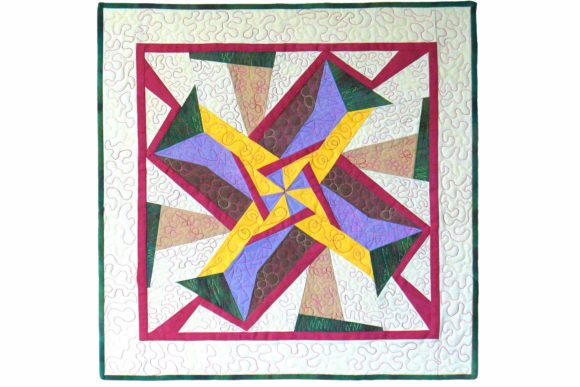
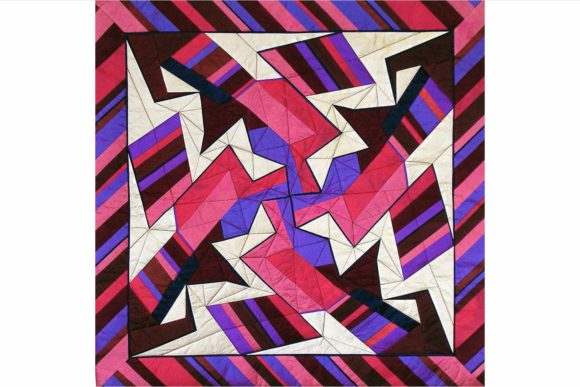
When a patchwork quilt pattern is built on a single geometric idea repeated with precision, the result can be something that feels both timeless and fresh. The Fractures Designer Pinwheel Patchwork Quilt Pattern is exactly that kind of project: a compact, striking design rooted in the four-fold rotation of a tessellated right triangle. At just 27 inches square, this quilt offers a focused, rewarding sewing experience that rewards careful attention to color, seam accuracy, and finishing technique.
This pattern is not a sprawling bed quilt or a complicated medallion. It is a deliberate exercise in symmetry and contrast, where every seam exists to mark a fabric color change. There are no extraneous seam lines. Each patch carries visual weight, and the overall effect is a pinwheel that seems to spin on the fabric surface. For quilters who appreciate modern geometry with a traditional anchor, Fractures fits naturally into a growing interest in precision patchwork and minimal, high-impact design.
Why the Fractures Pattern Resonates Now
Quilting as a craft has seen a notable shift toward smaller, more intentional projects. Many sewists today balance creative practice with busy professional or family lives, and the appeal of a 27-inch quilt top that can be completed in a focused session is strong. The Fractures Designer Pinwheel Patchwork Quilt Pattern meets that need without sacrificing sophistication. It is a pattern that asks you to think about fabric placement, rotation, and contrast in a compact format.
There is also a broader cultural pull toward geometric design in textiles. From modern home decor to fashion, clean lines and repeating motifs are everywhere. The pinwheel is a classic quilting block, but the tessellated triangle approach gives it a more contemporary edge. The fact that the original was made from solid color silk dupioni fabrics speaks to a desire for texture and sheen without busy prints. Solid fabrics let the geometry do the work, and that restraint is very much in line with current aesthetic preferences.
For the modern quilter, this pattern also reflects a growing interest in understanding how designs are constructed at the most fundamental level. Because the pattern provides one full-scale tessellated triangle that is cut and pieced four times to complete the quilt top, the maker develops a deep familiarity with that single unit. This is not a pattern with dozens of different templates. It is a study in repetition and rotation, which can be both meditative and technically instructive.
Understanding the Four-Fold Rotation
The core mechanism of the Fractures pattern is the four-fold rotation of a single tessellated right triangle. If you imagine a square divided into four quadrants, each quadrant contains an identical triangle unit rotated 90 degrees from its neighbor. When all four are joined, the pinwheel emerges.
This approach has practical implications for how you select and cut your fabrics. Because the same triangle shape appears four times, you have the opportunity to create symmetry or deliberate asymmetry. You can use four different fabrics for each triangle, or repeat the same arrangement in each quadrant. The pattern itself is neutral about your choices, but the effect changes dramatically based on your fabric decisions.
The original quilt used solid color silk dupioni fabrics. Silk dupioni has a noticeable slub texture and a natural sheen that catches light differently depending on the angle. When combined with the rotating triangle layout, the light play reinforces the sense of movement. However, the pattern works beautifully with other solid fabrics too. Cotton solids, linen blends, or even shot cottons with a two-tone effect can all produce compelling results. The key is to maintain high contrast between the fabric values so the pinwheel reads clearly.
Working with the Single Tessellated Triangle
The pattern includes one full-scale triangle template. You will cut and piece that triangle four times, rotating it as needed to build the complete quilt top. This means you only need to master one unit. Once you have sewn the first triangle accurately, you can repeat the process with confidence.
Because the pattern is designed for a 27-inch finished quilt, each triangle unit is manageable. The scale is large enough to show off fabric choices but small enough that the project does not feel overwhelming. This size is also ideal for a wall hanging, a table topper, a baby quilt, or a decorative throw for a small space. It makes a thoughtful gift for someone who appreciates handmade modern design.
Remember to add seam allowances to all patches. The pattern pieces are shown without seam allowances, so you will need to add your standard ¼-inch allowance when cutting. This is a routine step for experienced quilters, but if you are newer to pattern work, take care to add the allowance consistently to every edge of every patch. A small inconsistency at this stage can compound across all four triangles and affect the final alignment.
Quilting Lines and Finishing Details
The pattern includes dashed lines that indicate suggested quilting lines. These are not arbitrary. They are designed to enhance the visual structure of the quilt beyond what stitch-in-the-ditch alone can achieve. The original quilt used both stitch-in-the-ditch to define each patch and additional quilting along the dashed lines to add texture and dimensionality.
Stitch-in-the-ditch is an excellent technique for this pattern because every seam is a color change. You can stitch directly in the seam valleys to reinforce the patch boundaries without adding extra thread lines across the fabric. The dashed lines then give you the option to add quilting that follows the internal geometry of the triangles, amplifying the pinwheel effect.
The finishing method is also noteworthy. The original quilt used extra wide borders that were rolled to the back to finish the edges. This creates a clean, frame-like border on the front and a neat, enclosed edge on the back without requiring separate binding. It is a technique that suits the modern, uncluttered look of the quilt. If you prefer traditional binding, you can adapt accordingly, but the rolled border approach is worth trying for its simplicity and clean finish.
Supplies and Preparation
The material list for this quilt top is refreshingly short. You will need small amounts of a variety of solid color fabrics. Because the quilt is only 27 inches square, you do not need large yardage. This is an excellent scrap-busting project if you have a collection of solid remnants, or you can purchase fat quarters or half-yard cuts in a curated palette.
For the pattern itself, you have two recommended options: freezer paper or fusible iron-on interfacing, such as Pellon 911FF or Vilene H250. These materials serve as both the pattern and a sewing guide. A 30-inch by 30-inch piece is sufficient to accommodate the full-scale triangle. If you use freezer paper, you can iron it to the fabric, cut around it, and then peel it off after sewing. Fusible interfacing can be ironed on and left in place as a stabilizer, which is especially helpful for silk dupioni or other delicate fabrics.
Special Note for Printing: To print the pattern correctly, use Adobe Acrobat Reader and set the print option to Poster at 100% scale. This ensures that the tessellated triangle prints at full size across multiple pages, which you can then tape together. Do not scale to fit, as that will change the dimensions and throw off the seam allowances and final quilt size.
Practical Implications for Makers
For the hobbyist, this pattern offers a weekend project that builds real skills in precision piecing, rotation assembly, and fabric value selection. It is also an opportunity to practice working with silk dupioni if you choose to replicate the original fabric choice. Silk requires careful pressing and handling, but the result is luminous.
For the educator or blogger, Fractures makes an excellent teaching piece. The single triangle unit simplifies instruction, and the four-fold rotation demonstrates fundamental design principles that apply to many other geometric quilts. You can use it to discuss tessellation, symmetry, and the relationship between positive and negative space in patchwork.
For the entrepreneur or creative business owner, this pattern is a strong candidate for a sample quilt that photographs well. The clean geometry and solid fabrics read beautifully on camera, whether for social media, a pattern shop, or a portfolio. Because the quilt is small, it is easy to ship or display at markets and trunk shows.
Building a Collection of Skills
The Fractures pattern is part of a broader body of work from a designer who has authored patchwork quilt design ebooks available through all major online booksellers. Those ebooks include tutorials for specialized advanced sewing skills that go beyond the basics. If you find yourself enjoying the precision and geometry of this pattern, exploring those ebooks can deepen your understanding of construction techniques, fabric manipulation, and design theory.
Sewing is a skill that rewards incremental challenge. A pattern like Fractures sits at a productive middle point: it is not so simple that it feels trivial, and not so complex that it becomes frustrating. It asks for careful cutting, consistent seam allowances, and thoughtful fabric choices. The result is a finished quilt that feels intentional and polished.
A Pattern for the Present Moment
In a time when many makers are looking for projects that offer both creative satisfaction and practical completion, the Fractures Designer Pinwheel Patchwork Quilt Pattern delivers. It acknowledges the value of small, well-made objects. It respects the maker's time by eliminating unnecessary steps and seam lines. And it honors the tradition of geometric patchwork while pushing it gently toward a more modern sensibility.
Whether you are a professional quilter looking for a new sample, a blogger teaching geometric design, or a curious sewist who wants to try something precise and beautiful, this pattern rewards the effort you put into it. The tessellated triangle, repeated four times in rotation, becomes more than the sum of its parts. It becomes a pinwheel that captures motion in fabric and thread.