Watercolor Nursery Rainbow Clipart: A Practical Guide for Design Projects
When planning a design project for a baby shower invitation, a birthday announcement, or a nursery-themed pattern, the visual elements you choose set the entire tone. Among the many digital art options available, Watercolor Nursery Rainbow Clipart has emerged as a versatile choice for both personal and commercial design work. This article offers a balanced look at what this clipart offers, where it excels, and what tradeoffs to consider before making a selection.
Understanding the characteristics of hand-painted watercolor clipart, especially pieces that incorporate fairy and rainbow motifs, helps you determine whether it aligns with the aesthetic and functional needs of your project. The following sections explore the key attributes, practical applications, and decision-making factors that matter most to designers, small business owners, and DIY creators.
What Is Watercolor Nursery Rainbow Clipart?
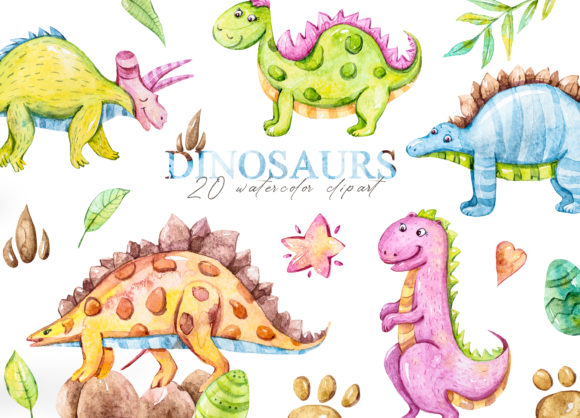
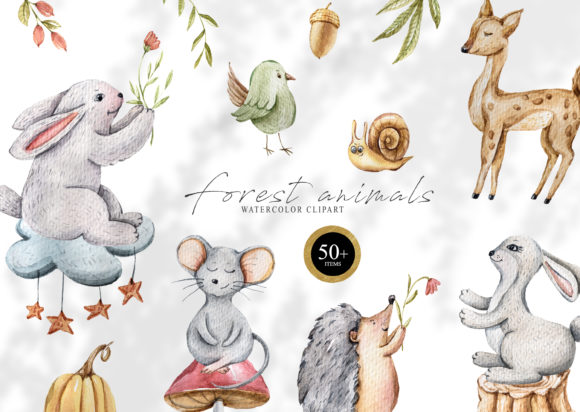
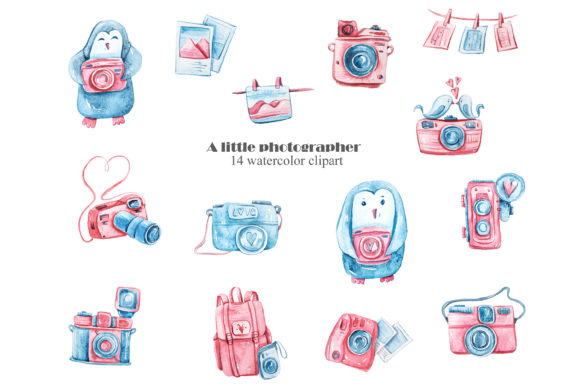
Watercolor Nursery Rainbow Clipart refers to digital image files created using watercolor painting techniques, then scanned or photographed at high resolution and converted into PNG format with transparent backgrounds. These images often feature soft color transitions, organic brush strokes, and the subtle texture that comes from actual paint on paper. Common subjects include rainbows, clouds, stars, flowers, and whimsical fairy elements.
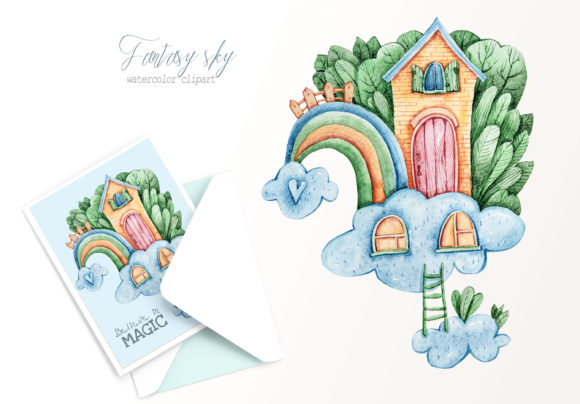
The specific set described here includes a watercolor houses clipart PNG, sized at 3200 by 4600 pixels, and hand-painted watercolor clipart designed for use across multiple media. The hand-painted nature of the artwork means each element carries the unique imperfections of real paint, which can add warmth and authenticity to digital designs.
Unlike vector clipart, which relies on mathematically defined shapes and solid colors, watercolor clipart retains the translucency and gradient effects of the original medium. This distinction matters when layering images in a design, as the transparent areas interact differently with background colors and patterns.
Why Choose Hand-Painted Watercolor for Your Projects?
Creators turn to Watercolor hand painted fairy rainbow clipart for several practical reasons. The primary appeal lies in the aesthetic quality that hand-painted art brings to digital work. Real watercolor paintings have a depth and softness that is difficult to replicate with digital brushes alone. This can make invitations, greeting cards, and posters feel more personal and crafted, even when produced in quantity.
Another reason is the versatility of the medium. Because the clipart is provided as PNG files with transparent backgrounds, it can be placed onto any colored background without white edges or awkward framing. This is especially useful for creating pattern repeats, designing social media templates, or preparing artwork for print on items like baby clothes, bed linens, mugs, and textile totes.
The high resolution of 3200 by 4600 pixels also matters. For print projects, resolution determines whether the image will appear crisp or pixelated. This pixel dimension allows for large-format printing, such as poster-sized pieces, while retaining detail. It also gives the user flexibility to scale the image down for smaller applications without losing quality.
Practical Benefits of Using Watercolor Nursery Rainbow Clipart
One of the most immediate benefits is the time saved. Rather than commissioning an original watercolor painting or spending hours creating digital watercolor effects from scratch, you gain access to ready-to-use art that can be incorporated into your layout within minutes. For small business owners producing invitations or social media content on a regular basis, this efficiency is valuable.
The clipart is also well-suited for pattern creation. Because the elements have soft edges and varying opacity, they can be arranged in repeating patterns without harsh seams. This makes the art suitable for fabric design, wrapping paper, wallpaper, and digital backgrounds. The rainbow and fairy themes align naturally with nursery decor, children's party supplies, and whimsical branding.
Another practical benefit is the broad application range. The same clipart set can be used for a birthday invitation, a baby shower flyer, a greeting card, a book illustration, and a poster. This reduces the need to purchase multiple assets for different projects, which can be cost-effective for freelance designers or hobbyists.
Tradeoffs and Considerations
Despite the advantages, there are tradeoffs to consider when using Watercolor Nursery Rainbow Clipart. The primary consideration is file format. While PNG is widely supported and retains transparency, it is a raster format. This means the image is composed of pixels, not scalable vectors. If you need to enlarge the clipart beyond its original dimensions, you risk losing clarity. The 3200 by 4600 pixel size covers most use cases, but for very large format printing, such as banners or billboards, the limitations become apparent.
Another tradeoff is the style consistency. Because the clipart is hand-painted, each element has a unique look. If you need a perfectly uniform set of images where every rainbow arc is identical, hand-painted watercolor may not deliver that. The organic variation is part of the charm, but it also introduces unpredictability. Designers who require precise symmetry or repeatability might find watercolor clipart less suitable than vector alternatives.
Licensing is another factor to examine. While the product description suggests broad uses, you should confirm the specific license terms for commercial applications. Some clipart sets limit the number of copies you can produce, restrict resale of the digital files, or require attribution. If you plan to use the clipart for merchandise like mugs or clothing, verify that the license covers production and resale of physical goods.
Scenarios Where Watercolor Nursery Rainbow Clipart Excels
This type of clipart is a strong fit for projects where a soft, handcrafted aesthetic is desired. Baby showers, gender reveal parties, and birthday invitations for young children are natural candidates. The rainbow and fairy motifs convey warmth, imagination, and a gentle color palette that suits these occasions.
It is also well-suited for social media templates, especially for accounts focused on parenting, early childhood education, or children's crafts. The watercolor style photographs well on screen and can make a feed look cohesive and visually appealing. Because the clipart includes multiple elements, you can create a series of posts using the same set, maintaining visual consistency without repeating the exact same image.
For scrapbooking, both digital and physical, hand-painted watercolor clipart adds an artistic layer that complements photographs and journaling. The transparent background allows for creative layering, and the high resolution ensures the prints look sharp when added to a physical album.
Pattern design for textiles is another area where this clipart performs well. The soft transitions between colors in a rainbow, for example, lend themselves to repeating patterns on fabric. When printed on bed linen or baby clothes, the watercolor effect remains subtle and pleasing, unlike solid block colors that can feel harsh on small garments.
When Alternatives May Be Worth Considering
There are situations where alternatives might serve you better. If your project demands a modern, minimalist, or corporate aesthetic, watercolor clipart may feel out of place. Geometric shapes, flat vector illustrations, or monochrome icons would likely align more closely with those visual goals.
If your project requires high-volume print production at very low cost, raster watercolor images may introduce complications. Vector clipart, in such cases, offers easier scaling and smaller file sizes. Similarly, if you are designing for screen-only use and do not need large print resolution, lower-resolution assets might be more economical and faster to work with.
Another scenario where alternatives are worth exploring is when you need highly specific imagery that the clipart does not provide. For example, if your theme requires a particular type of fairy, a specific color of rainbow, or a house style not included in the set, you may need custom artwork or a different clipart collection. The hand-painted nature of the piece means the artist's interpretation is fixed, and you cannot easily modify the colors or shapes.
Decision-Making Insights for Choosing Clipart
When evaluating whether Watercolor Nursery Rainbow Clipart meets your needs, start with the project's output format. Ask yourself whether the final product will be printed or displayed digitally. For print, check that the resolution and size match your requirements. The 3200 by 4600 pixel dimensions are generous, but confirm the print size you intend to use. A general guideline is that 300 DPI (dots per inch) is standard for high-quality print, which means this clipart can produce a print up to roughly 10.7 by 15.3 inches at full resolution. Larger prints would require scaling down the DPI or using a smaller portion of the image.
Consider also the color palette. Watercolor clipart typically features soft, muted tones with subtle blending. If your brand or project uses bright, saturated colors, these pieces may need adjustment in editing software. Some editing is possible, but due to the watercolor texture, color changes may not look as clean as they would on vector art.
Look at the sample images closely to evaluate the style. The presence of fairy elements and rainbow motifs suggests a whimsical, dreamy quality. If that matches your invitation, pattern, or poster concept, the clipart is likely a good fit. If your design direction is more structured or realistic, consider looking for photographic or vector-based alternatives.
Finally, think about the lifespan of your project. If you are creating a one-time invitation for a specific event, the clipart delivers excellent value. If you are developing a brand identity or a product line that will evolve over time, consider whether the hand-painted watercolor style will remain consistent across future releases. You may need to source additional clipart from the same artist to maintain visual continuity.
Aligning the Clipart with Your Goals
Watercolor Nursery Rainbow Clipart is best seen as a creative tool rather than a complete solution. Its success depends on how well it integrates into your overall design workflow. If you value organic texture, soft color transitions, and a handcrafted look, this clipart offers distinct advantages over purely digital alternatives. The high resolution and transparent background give you flexibility across media, from paper goods to fabric prints.
For the creator who wants to produce beautiful, cohesive projects without commissioning original artwork, this clipart represents a practical shortcut. The key is to use it in contexts where its strengths shine, and to recognize its limitations when your project demands uniformity, scalability, or specific customizations. By weighing these factors, you can decide whether hand-painted watercolor clipart is the right foundation for your next invitation, pattern, or poster design.